
Cow Manure Fertilizer

Introduction to Organic Fertilization
Organic fertilizers like cow manure represent a cornerstone of sustainable agricultural practices, offering numerous benefits over synthetic alternatives.
Environmental Sustainability
Reduces chemical runoff, promotes biodiversity, and improves long-term soil health while minimizing pollution
Economic Advantages
Lower input costs over time, premium pricing for organic products, and reduced dependency on purchased fertilizers
Circular Economy
Transforms agricultural waste into valuable resources, creating a closed-loop system on farms
Soil Resilience
Builds organic matter content, enhances water retention, and creates drought-resistant growing conditions
Nutritional Composition of Cow Manure
Cow manure is a complete organic fertilizer containing essential macronutrients and micronutrients that support plant growth and soil health.
Nitrogen (N)
Essential for leaf and stem growth, protein synthesis, and chlorophyll production. Cow manure provides slow-release nitrogen that reduces leaching.
Phosphorus (P)
Critical for root development, flowering, fruiting, and energy transfer within plants. Supports early season growth and crop establishment.
Potassium (K)
Enhances disease resistance, drought tolerance, and regulates water movement within plants. Improves overall plant vigor and stress resistance.
Micronutrients
Contains calcium, magnesium, sulfur, zinc, manganese, copper, and other trace elements essential for complete plant nutrition and metabolic functions
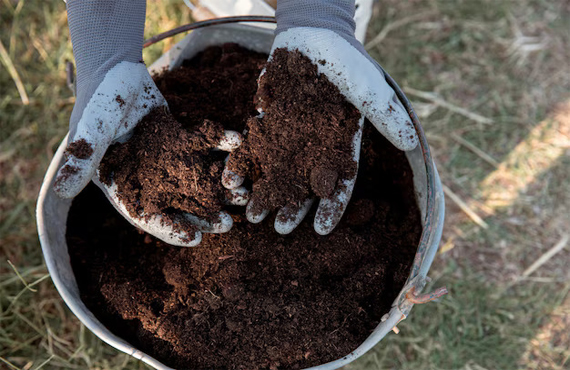

Soil Improvement Benefits
Cow manure dramatically transforms soil quality through multiple mechanisms, creating an ideal growing environment for plants and promoting long-term soil health
Improved Soil Structure
Breaks up clay soils, reduces compaction, and creates better soil aggregation for improved root penetration and aeration.
Enhanced Water Retention
Increases the soil's ability to hold moisture during dry periods while improving drainage in wet conditions, creating balanced hydration
Increased Organic Matter
Builds humus content in soil, providing a slow release nutrient reservoir and improving cation exchange capacity.
Enhanced Root Development
Creates ideal conditions for extensive root systems, allowing plants to access more nutrients and water throughout the soil profile.
Microbial Life Enhancement
Cow manure significantly enhances soil microbial activity, creating a thriving underground ecosystem that supports plant health and sustainable agriculture.
Beneficial Bacteria
Decompose organic matter, fix nitrogen, solubilize phosphorus, and produce plant growth-promoting compounds that enhance root development.
Fungal Networks
Mycorrhizal fungi form symbiotic relationships with plant roots, extending their reach for water and nutrients while improving soil structure.
Natural Disease Suppression
Diverse microbial communities compete with pathogens, produce antibiotics, and induce systemic resistance in plants against diseases.
Nutrient Cycling
Microorganisms transform nutrients into plant-available forms, retain them in the soil profile, and prevent leaching into groundwater.

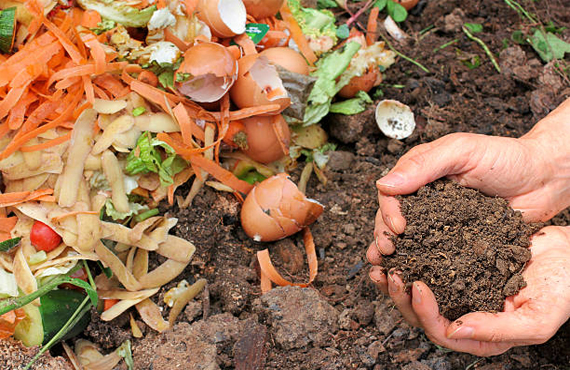
Proper Composting Process
Properly composting cow manure transforms raw waste into a safe, nutrient-rich soil amendment through a controlled biological process that eliminates pathogens and weed seeds.
Fresh Manure Collection
Collect fresh manure and mix with carbon-rich materials like straw or sawdust at a 1:2 ratio (manure to carbon) to achieve proper carbon-to nitrogen balance.
Pile Construction & Turning
Build piles 3-5 feet high and wide. Turn every 2-3 weeks to aerate and mix materials, accelerating decomposition and ensuring even processing throughout.
Temperature Monitoring
Maintain temperatures between 130-150°F (54-65°C) for at least 3 days to kill pathogens and weed seeds. Use a compost thermometer to track progress.
Curing & Finished Compost
Allow compost to cure for 1-2 months after active composting. Finished product should be dark brown, crumbly, and earthy-smelling with no
Application Methods and Best Practices
Proper application techniques ensure maximum nutrient availability while minimizing environmental impact and optimizing crop yields.
Timing Considerations
Apply 2-3 weeks before planting for annual crops. For perennials, apply in early spring or fall during dormancy. Avoid application before heavy rainfall to prevent nutrient runoff.
Application Rates
Apply 5-10 tons per acre for field crops, 20-30 pounds per 100 square feet for gardens. Adjust based on soil tests and specific crop requirements to prevent over-fertilization.
Distribution Techniques
Broadcast evenly for large areas, incorporate into top 3-6 inches of soil. For row crops, band application near plant roots increases efficiency. Ensure uniform coverage for best results.
Seasonal Recommendations
Fall application allows time for decomposition before spring planting. In warmer climates, winter application is effective. Avoid summer application


Safety and Handling Guidelines
Proper safety measures are essential when handling cow manure to prevent health risks and environmental contamination.
Personal Protective Equipment
Always wear gloves, safety glasses, dust masks, and appropriate footwear when handling fresh or composted manure to prevent exposure to pathogens.
Hygiene Practices
Wash hands thoroughly after handling manure, even when wearing gloves. Keep work clothes separate and wash them promptly after use.
Storage Requirements
Store manure in covered containers or designated composting areas away from living spaces. Ensure proper ventilation to prevent gas buildup.
Water Source Protection
Maintain a minimum 100-foot buffer zone between manure storage/application areas and water sources to prevent contamination of drinking water.
Commercial Applications and Packaging
Commercial cow manure products offer convenient, standardized options for both home gardeners and professional growers seeking the benefits of organic fertilization.
Package Sizing Options
Available in multiple convenient sizes: 5kg bags for small gardens and container plants, 25kg bags for medium gardens, and 40kg bulk bags for large scale agricultural applications.
Quality Certifications
Premium products carry organic certifications ensuring they meet strict standards for pathogen reduction, weed seed elimination, and nutrient content consistency.
Storage Recommendations
Store in cool, dry locations away from direct sunlight. Properly sealed bags maintain nutrient quality for up to two years when stored correctly.
Usage Instructions
Professional packaging includes detailed application rates for different plant types, mixing instructions for potting soil, and seasonal recommendations for


Conclusion and Future of Sustainable Agriculture
Cow manure represents a cornerstone of sustainable agricultural practices, offering multiple benefits that extend beyond simple crop nutrition to encompass broader environmental and economic advantages.
Economic Sustainability
Reduces dependency on expensive synthetic fertilizers, improves long-term soil productivity, and creates potential for premium pricing through organic certification.
Environmental Stewardship
Minimizes chemical runoff, reduces greenhouse gas emissions through carbon sequestration, and promotes biodiversity both above and below ground.
Regenerative Agriculture
Builds soil health over time rather than depleting it, creating resilient farming systems that can withstand climate challenges and reduce water requirements

Send An Enquiry